A massive cybersecurity incident has exposed 149.4 million unique usernames and passwords, leaving personal data vulnerable to exploitation. Cybersecurity researcher Jeremiah Fowler uncovered the database - an unencrypted 96 GB trove of raw credential data - accessible to anyone with a standard web browser. The breach highlights a critical lapse in global digital security, as the database was left entirely unprotected and continued growing in real time during the month-long period needed to take it offline.
Credentials for major platforms compromised
The database contains logins spanning major platforms and services, shaking the foundations of the digital economy. Among the millions of compromised accounts are 48 million Gmail credentials, 17 million Facebook logins, 6.5 million Instagram accounts, and 3.4 million Netflix profiles. Alarmingly, the breach extends beyond consumer platforms, with over 420,000 Binance accounts and numerous other banking, credit card, and cryptocurrency wallet credentials also exposed. Sensitive government accounts, including .gov domains from multiple countries, were also found in the cache, raising concerns about potential risks to national security and targeted cyberattacks.
Infostealer malware behind the breach
According to security analysts, the credentials were likely stolen using "infostealer" malware. This type of malicious software covertly infects devices through phishing emails, deceptive ads, or compromised browser extensions. Once installed, the malware records keystrokes, capturing login details as users enter them into various services.
Fowler noted a particularly concerning aspect of the breach: the database appeared to be actively receiving new data while he worked to have it taken down, indicating that the infostealer malware was still operational and funneling fresh information from infected devices.
Changing passwords isn’t enough
This breach presents unique challenges for affected users. Unlike server-side hacks, which compromise stored credentials, these credentials were stolen directly from infected devices. As a result, simply changing passwords may not resolve the issue if the underlying malware remains active on the user’s system. Any new credentials entered could be immediately captured and added to the database.
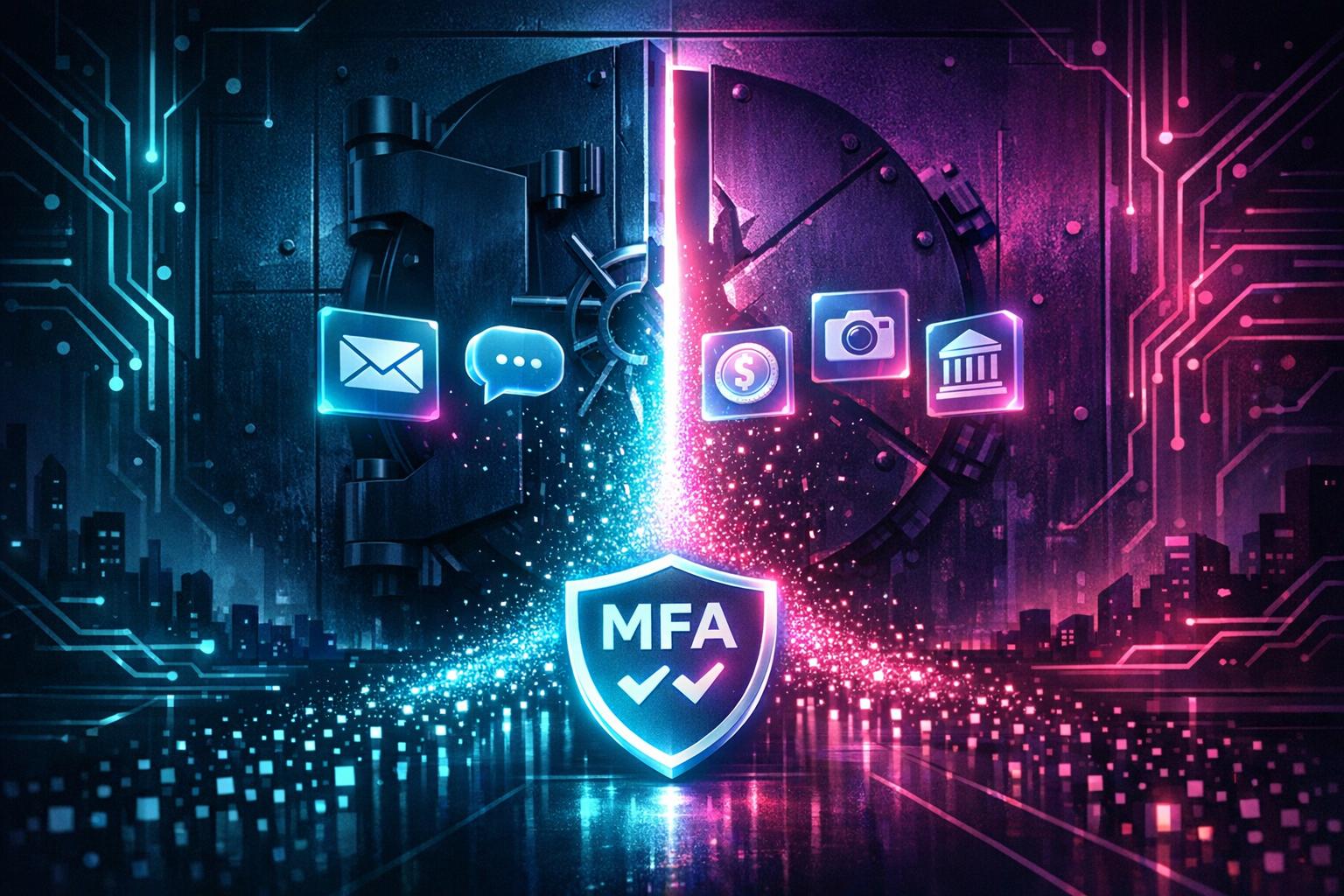
Experts advise users to take comprehensive steps to protect themselves. These include performing deep system scans with reputable antivirus software to root out malware and enabling multi-factor authentication (MFA) on all sensitive accounts. MFA adds an additional layer of security by requiring users to verify their identity through a secondary method, such as a biometric scan or hardware token, even if their passwords are compromised.
Ongoing concerns
The breach underscores the increasing sophistication of cyber threats and the potential for widespread harm when sensitive information is mishandled. Jeremiah Fowler’s discovery serves as a stark reminder of the importance of robust data security practices and the need for users to remain vigilant against malware and phishing attacks.
With millions of individuals and institutions potentially impacted, the fallout from this incident may continue to unfold, highlighting the critical need for global improvements in cybersecurity defenses.